Natural Energy Components for Active Men
Educational resource on dietary components supporting energy and vitality
Educational content only. No promises of outcomes.
Introduction to Natural Energy Components
Natural dietary components play an essential role in supporting daily energy levels and overall vitality. This educational resource explores the science behind various nutrients found in whole foods that contribute to maintaining an active lifestyle.
Understanding these components helps individuals make informed decisions about their nutrition patterns. From vitamins and minerals to macronutrients and phytochemicals, each element serves specific functions in the body.
Vitamins Supporting Energy
B-Complex Vitamins
B vitamins, including B1, B2, B3, B6, and B12, are water-soluble nutrients that play crucial roles in energy metabolism. They help convert food into usable energy at the cellular level.
Vitamin D
This fat-soluble vitamin supports numerous bodily functions. It can be obtained through sun exposure and dietary sources such as fatty fish and fortified foods.
Vitamin C
An essential antioxidant found abundantly in citrus fruits, berries, and vegetables. Vitamin C supports various physiological processes and overall wellness.
Minerals Supporting Energy
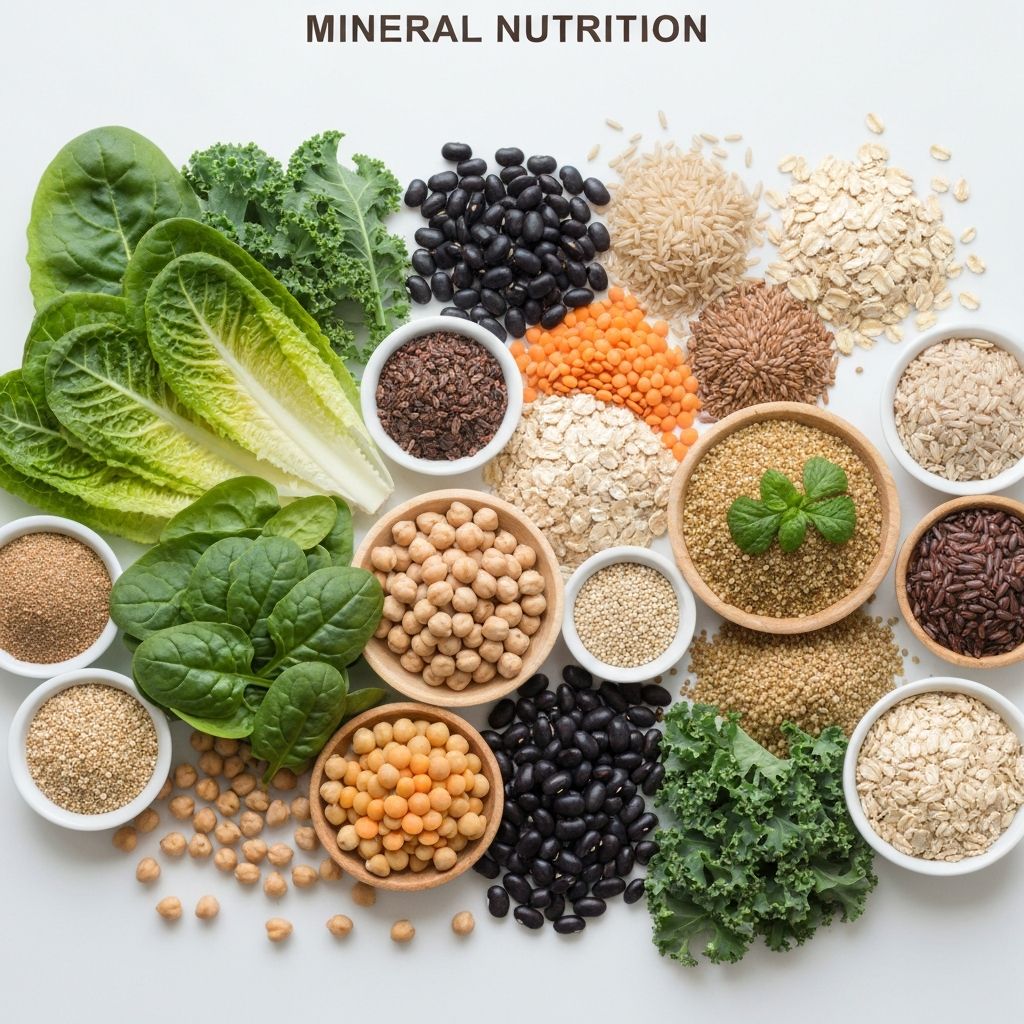
Minerals are inorganic elements essential for various bodily functions. Key minerals include magnesium, zinc, iron, and selenium, each contributing to energy production and overall health.
These minerals can be found in diverse food sources including leafy greens, nuts, seeds, legumes, and whole grains. A balanced diet typically provides adequate amounts of these essential nutrients.
Daily Routines and Energy
Balanced Nutrition Patterns
Consuming a variety of whole foods throughout the day helps maintain steady energy levels. This includes incorporating vegetables, fruits, whole grains, and protein sources in regular meals.
Hydration and Rest
Adequate water intake and quality sleep are fundamental aspects of maintaining energy. These factors work alongside nutrition to support overall vitality and daily functioning.
Food Sources and Categories
Vegetables and Greens
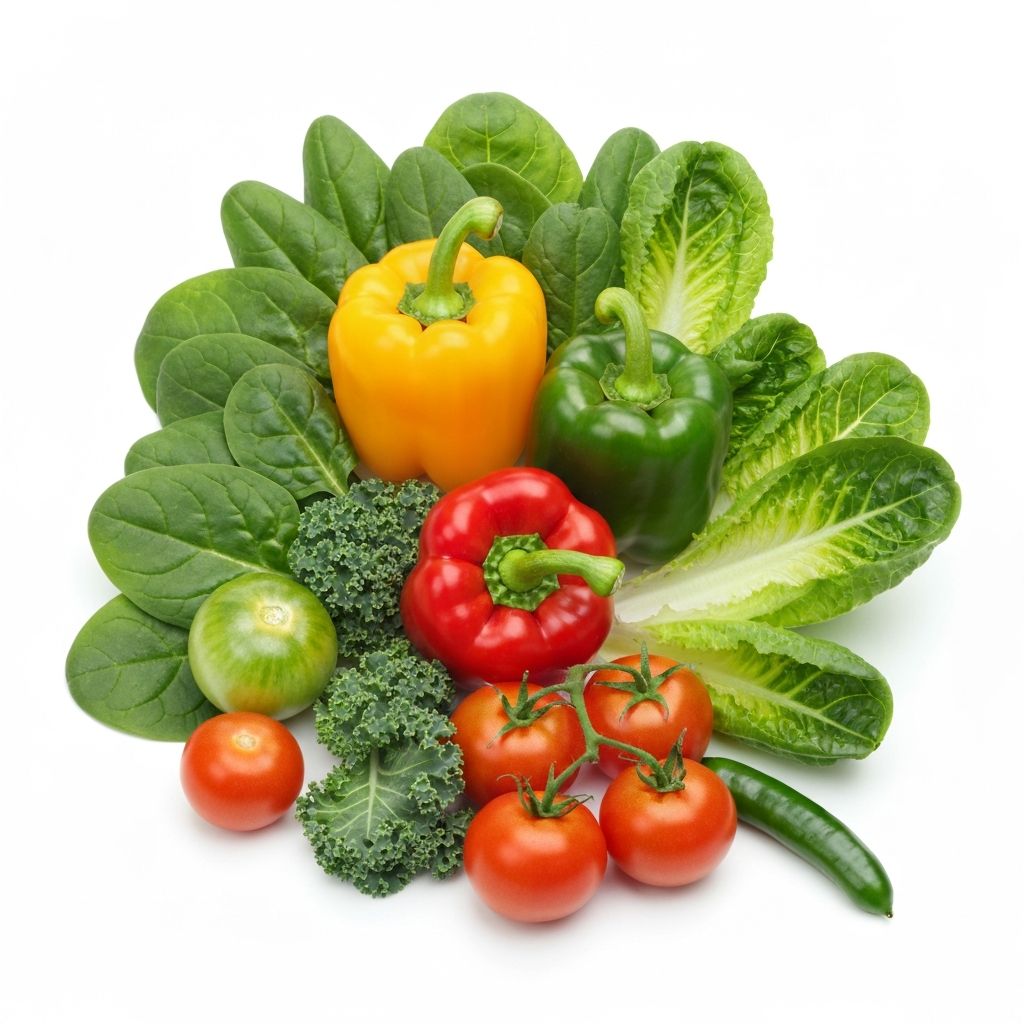
Leafy greens, cruciferous vegetables, and colorful produce provide vitamins, minerals, and beneficial plant compounds. These foods form the foundation of a nutrient-dense diet.
Whole Grains
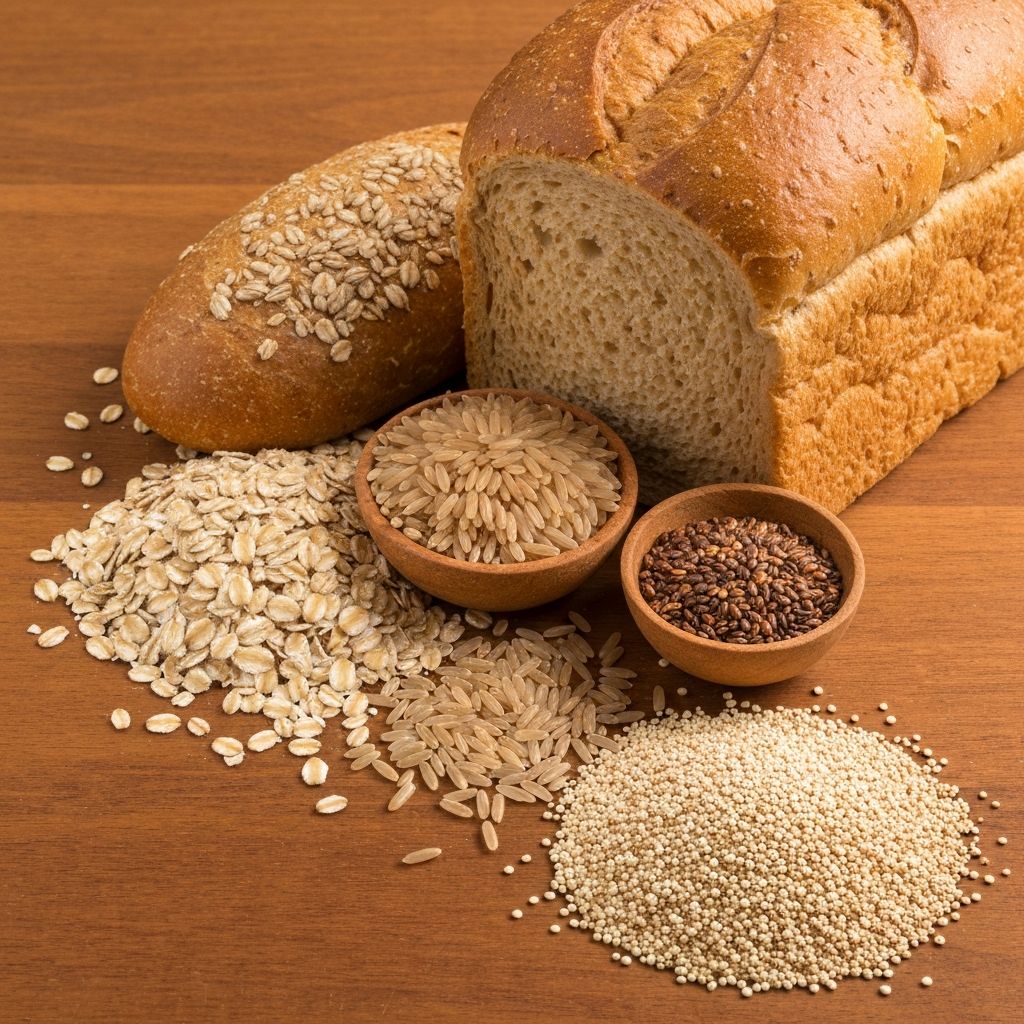
Oats, quinoa, brown rice, and whole wheat products offer complex carbohydrates, fiber, and B vitamins. These foods provide sustained energy throughout the day.

Fruits
Berries, citrus fruits, apples, and bananas contain natural sugars, vitamins, and antioxidants. They serve as nutritious options for meals and snacks.
Products
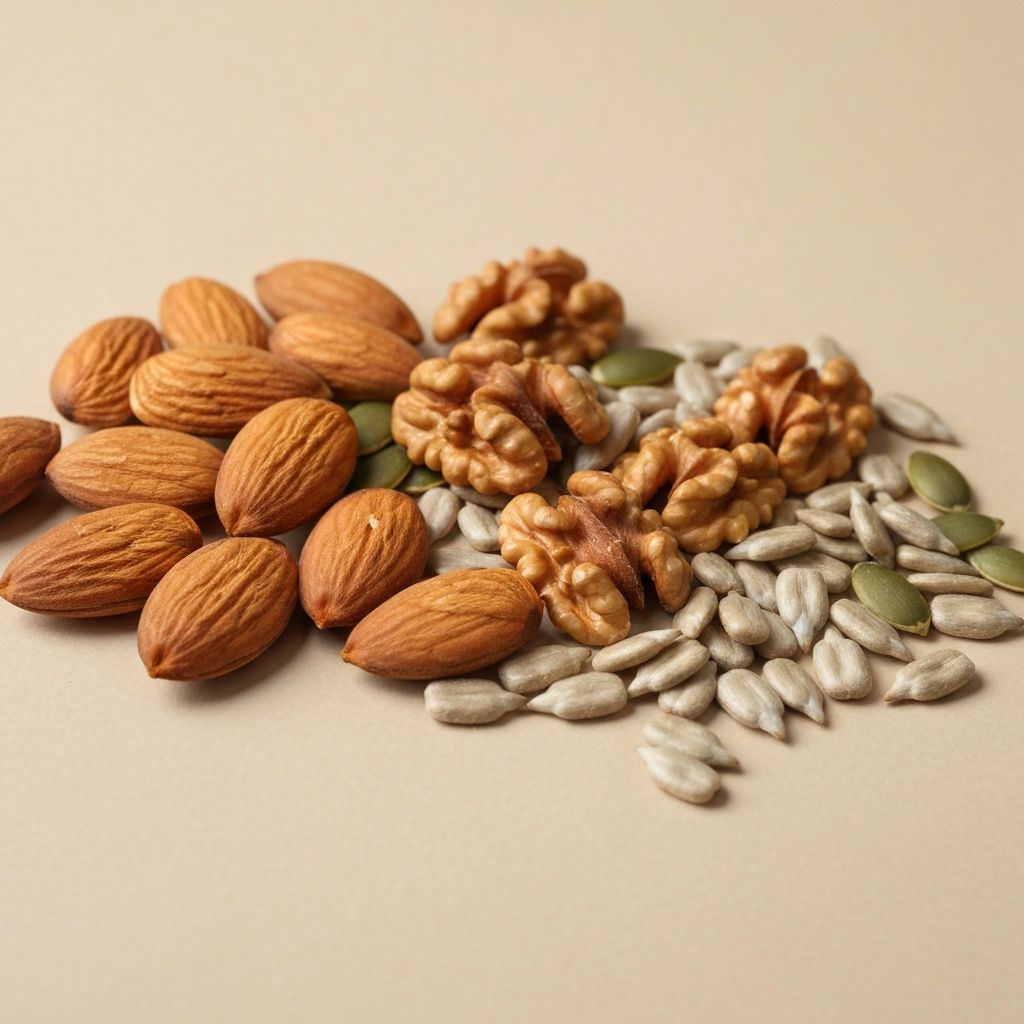
Nuts and Seeds
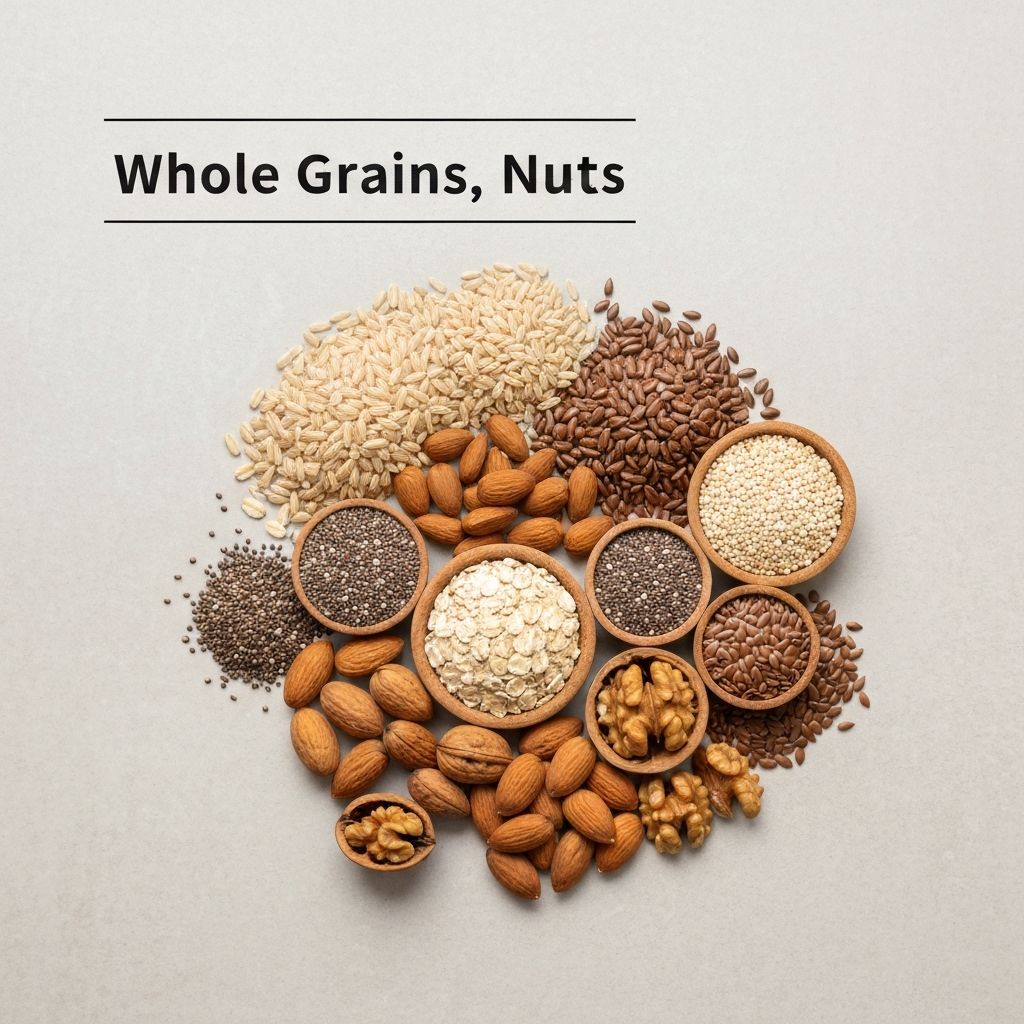
Almonds, walnuts, chia seeds, and flaxseeds provide healthy fats, protein, and minerals. These nutrient-dense foods support overall nutrition when consumed as part of a balanced diet.
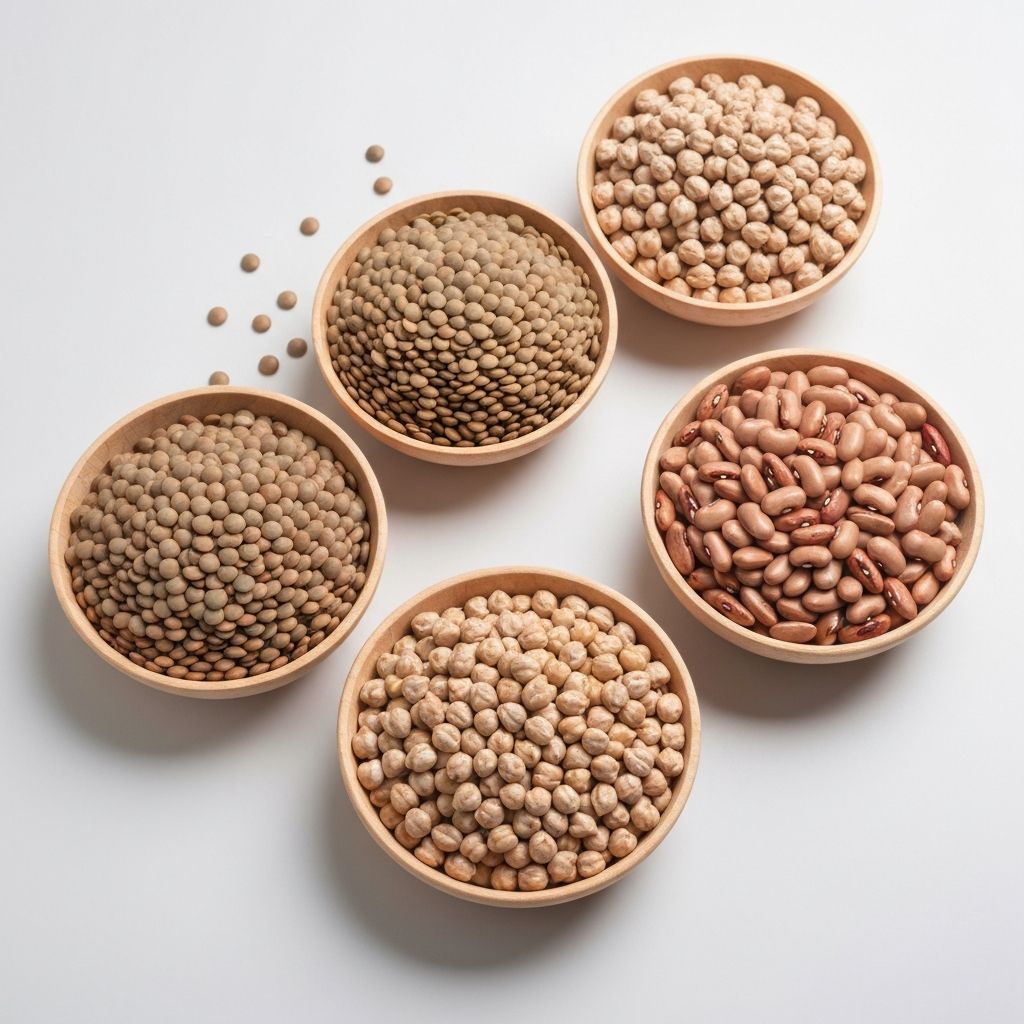
Legumes
Lentils, chickpeas, black beans, and other legumes offer plant-based protein, fiber, and essential minerals. They are versatile ingredients in various cuisines worldwide.
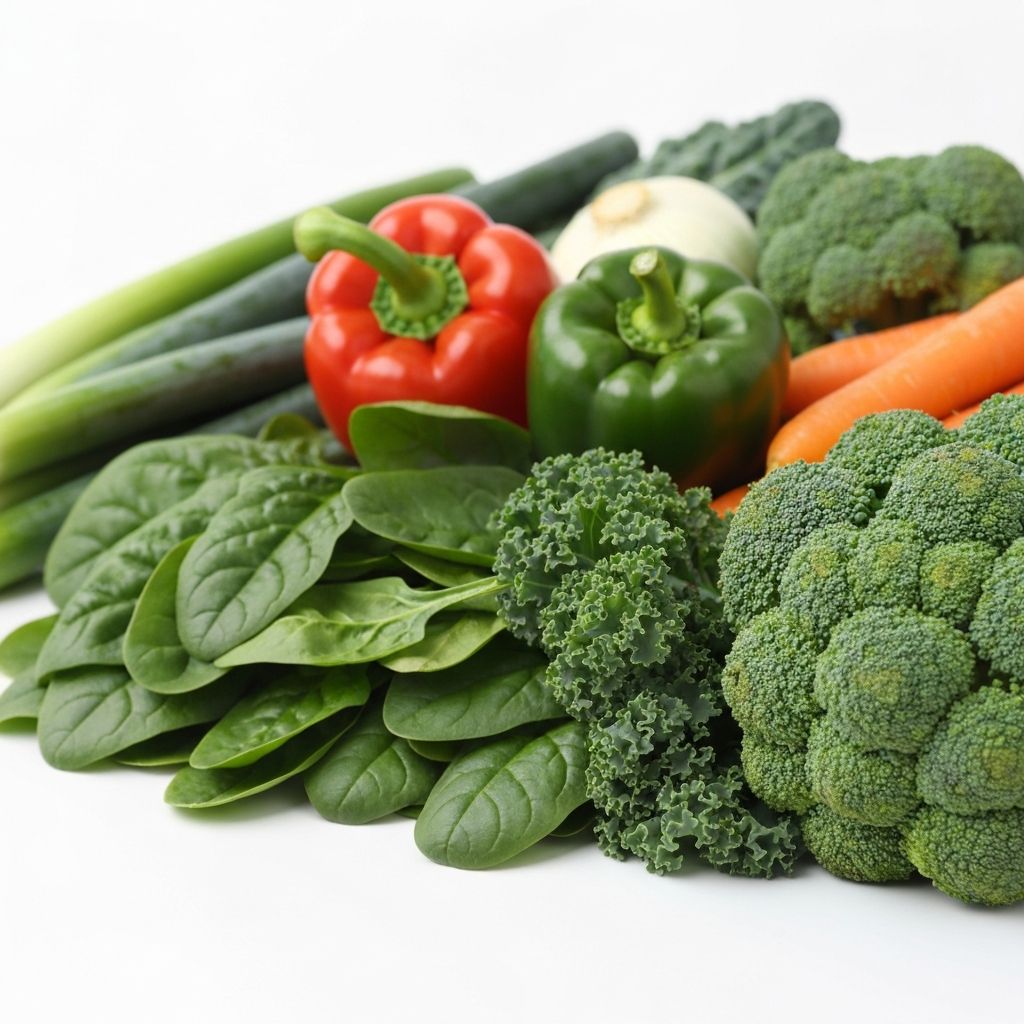
Dark Leafy Greens
Spinach, kale, and Swiss chard contain vitamins A, C, K, and minerals like iron and calcium. These vegetables are fundamental components of nutritious meal plans.
Lifestyle Integration
Integrating nutritious foods into daily life involves practical approaches such as meal planning, mindful eating, and exploring diverse recipes. The key is consistency and variety rather than restrictive patterns.
Physical Activity
Regular movement, whether through structured exercise or daily activities, complements good nutrition. Physical activity and diet work together to support overall wellness.
Stress Management
Managing daily stress through various techniques supports overall health. This includes adequate rest, relaxation practices, and maintaining social connections.
Science-Backed Insights
Nutritional science continues to evolve, providing insights into how various dietary components interact with human physiology. Research examines the roles of macronutrients, micronutrients, and bioactive compounds.
Studies explore topics such as nutrient absorption, metabolic pathways, and the relationship between diet and daily functioning. This scientific understanding helps inform educational resources about nutrition.
Common Misconceptions
Single Nutrient Focus
While individual nutrients are important, overall dietary patterns matter more than focusing on single components. A varied diet provides a spectrum of beneficial compounds.
Quick Solutions
Sustainable nutrition involves long-term habits rather than short-term approaches. Consistency in consuming whole foods over time supports lasting wellness.
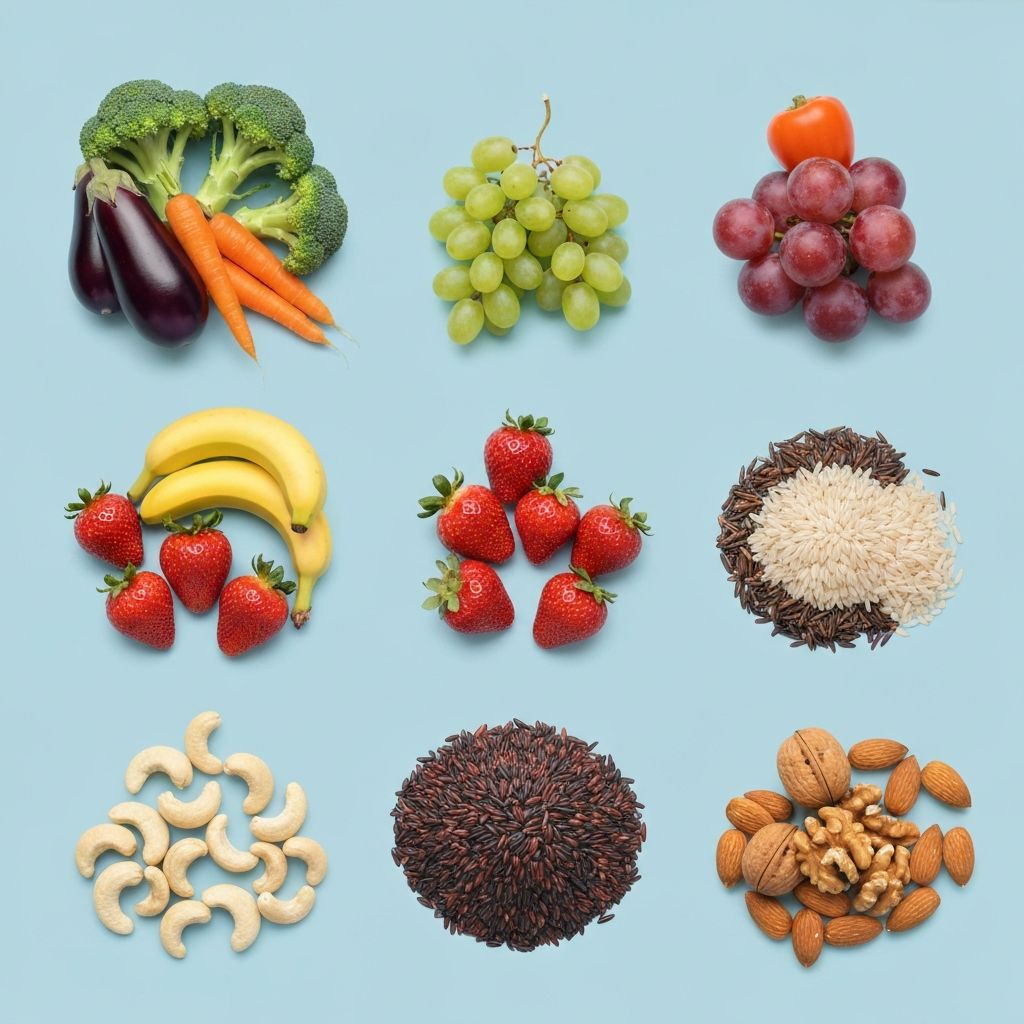
Infographics
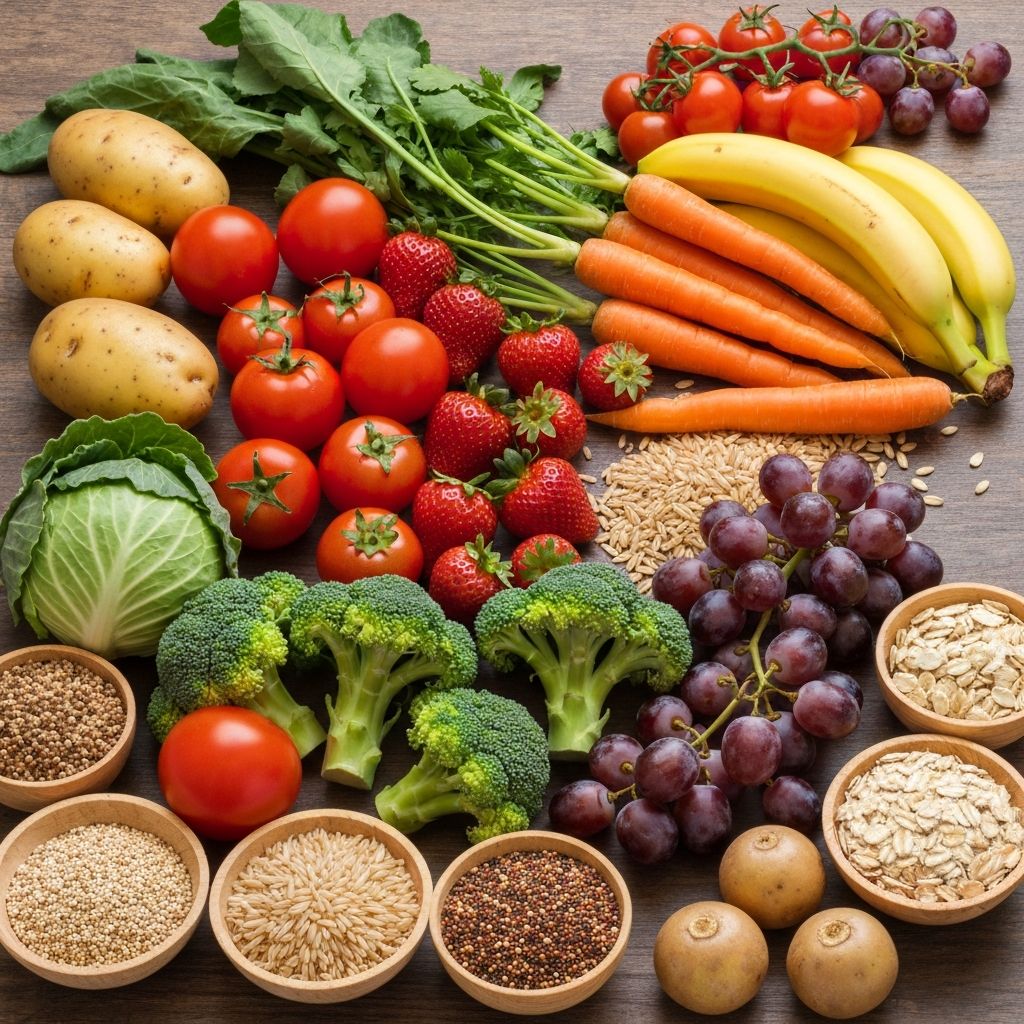
Visual representations help understand the diversity of food groups and their nutritional contributions. Different categories include vegetables, fruits, grains, proteins, and healthy fats.
Each food group provides unique nutrients, which is why dietary diversity is emphasized in nutritional guidance. Combining foods from various groups creates balanced meals.
Learn More About Natural Energy Components
Continue exploring educational materials about nutrition, dietary patterns, and lifestyle factors that support daily energy and vitality.
Read MoreAdditional Resources
This educational platform provides information about natural dietary components and their roles in supporting energy. Resources include explanations of nutrients, food sources, and general nutrition principles.
All content serves educational purposes and does not replace individualized guidance from qualified professionals.
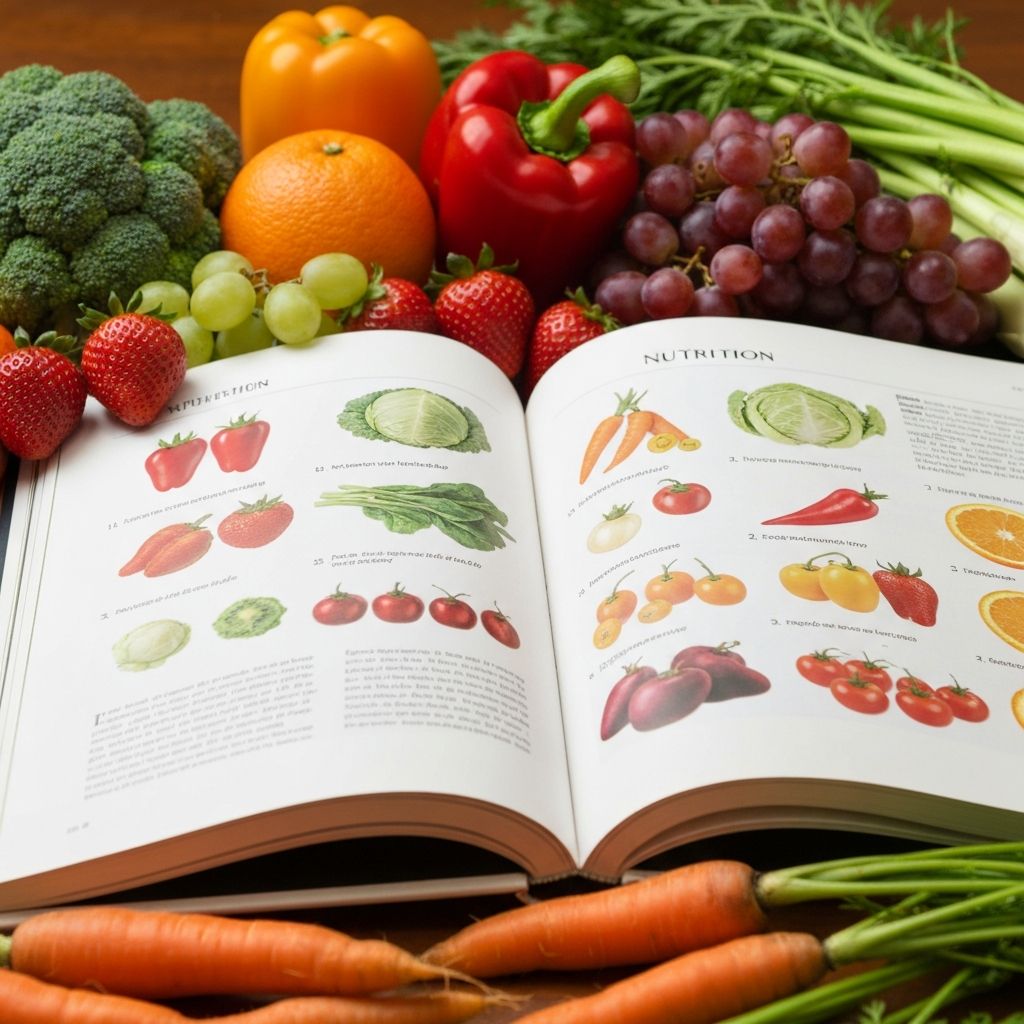
Limitations and Context
This website provides educational information about natural dietary components and general nutrition principles. The content is intended for informational purposes only and does not constitute individualized advice or recommendations.
Nutritional needs vary significantly between individuals based on numerous factors. The information presented here describes general concepts and should not be interpreted as personalized guidance.
For specific concerns or questions about diet, nutrition, or health, individuals should consult with qualified healthcare or nutrition professionals who can provide advice tailored to their unique circumstances.